
Have you ever wondered why your summer electric bill seems to spike, even when your thermostat settings stay the same for weeks? Your home’s air conditioner is one of the largest energy consumers in your household, so its performance directly affects your monthly expenses.
The Seasonal Energy Efficiency Ratio (SEER) is a standard measurement for an air conditioner’s efficiency. It calculates how well a system converts electricity into cooling over an entire cooling season. A higher SEER number indicates a more efficient system, which translates to lower energy consumption. Read on to learn what a SEER efficiency rating means for your energy bill.
How SEER Impacts Your Energy Bills
SEER ratings directly determine the amount of energy your air conditioner needs to keep your home comfortable. A unit with a higher SEER rating can deliver the same amount of cooling power using less electricity. That efficiency translates into lower monthly energy bills, fewer system strain issues, and a more comfortable home overall. Below, we’ve detailed some of the key impacts SEER ratings have on your energy expenses.
Higher SEER = Lower Operating Costs
As explained, a high-SEER unit results in a reduction in your operating costs. For instance, upgrading from an older SEER 10 system to a modern SEER 16 unit can reduce your cooling expenses by up to 40 percent. While this may sound like a medium to high difference, it adds up. For example, saving 40 percent on a $150 summer energy bill means keeping an extra $60 in your pocket every month.
Better Temperature Consistency
Many high-SEER systems feature advanced components, such as variable-speed compressors and fans. Instead of cycling on and off at full blast, these units adjust their output to match your home’s precise cooling needs. This process maintains a steadier indoor temperature and avoids the energy-intensive start-stop cycles that older, less efficient models rely on.
Reduced Peak Energy Demand
An efficient air conditioner draws less power, especially during the hottest parts of the day when the grid is under the most strain. This is a big advantage if your utility company uses time-of-use pricing, which charges more for electricity during peak hours.
A high-SEER system can help you avoid rate surcharges and lower the overall stress on the power grid. It does this by running more steadily and requiring less energy to maintain your desired temperature, rather than cycling on and off at full power when demand is highest.
Rebates and Incentives
Local utility companies and federal programs often offer incentives to homeowners who upgrade to energy-efficient HVAC systems. You can earn rebates, tax credits, or even reduced electricity rates when you install a high-SEER unit. These incentives help cut the initial cost and shorten the time it takes for your investment to pay off.
Before buying a new air conditioner, check with your utility provider or visit the ENERGY STAR Rebate Finder to see which programs are available in your area. Knowing your options can make a real difference in how quickly your new system starts saving you money.
Pro Tip
Many rebate programs specifically reward higher SEER ratings because these systems operate more efficiently and help conserve energy on a larger scale.
What To Look for on Your Energy Bill

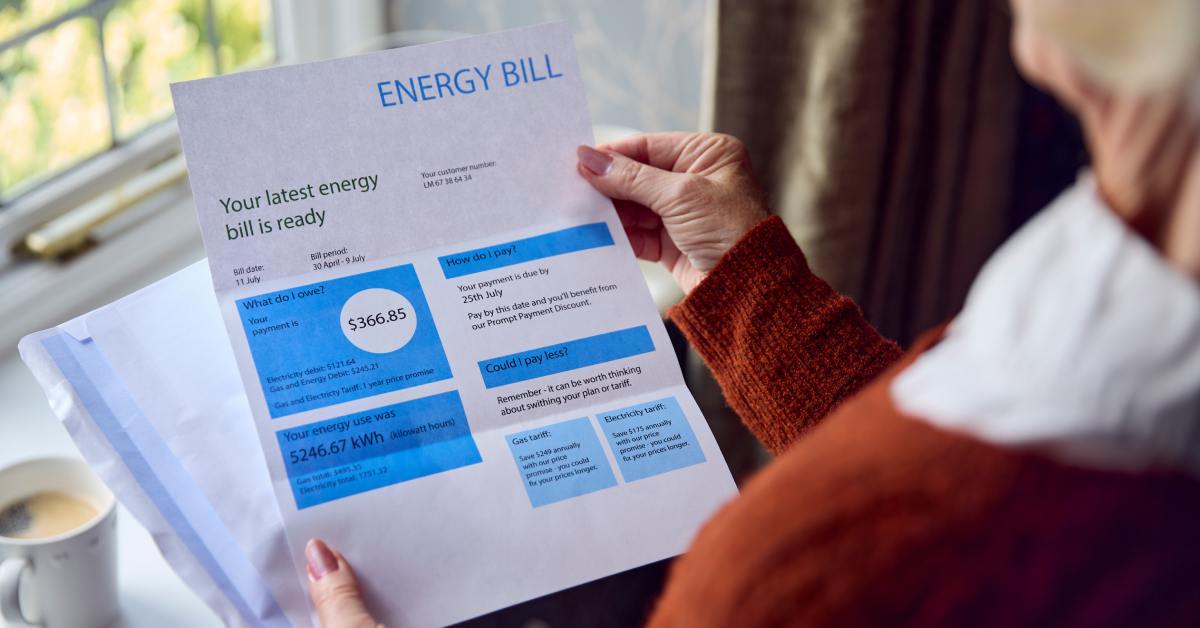
Knowing what a SEER efficiency rating means for your energy bill is one thing, but knowing what to look for on your energy bill is another. Your utility bill holds valuable clues about how efficiently your air conditioner runs. A close examination of your monthly statements can reveal patterns that indicate your system’s performance. Here’s what to pay attention to.
kWh Usage (Kilowatt-Hours)
Kilowatt-hours measure the total amount of energy your household consumed during the billing cycle. A sudden jump in kWh during the summer usually means your air conditioner is doing a lot of heavy lifting. Comparing your usage year over year for the same months can be very revealing; a steady increase might signal a decline in AC efficiency.
Seasonal Spikes
Look for clear patterns in your energy consumption across different months. If your summer energy bills keep climbing, even though you haven’t changed your thermostat settings, it could be a red flag. It usually means your AC is working harder just to maintain the same temperature in your home. This could point to deeper issues beyond just SEER inefficiency; it can also indicate duct leaks, dirty coils, or low refrigerant levels, all of which force the unit to run longer.
Rate per kWh
Sometimes your bill increases even if your energy usage stays stable. This occurs when your utility provider increases its rate per kilowatt-hour (kWh). By comparing this information with your energy usage, you can determine whether a more efficient AC would help reduce these higher rates. Upgrading could help stabilize your future energy bills and keep costs more predictable.
Signs It’s Time for a New AC
Air conditioners lose efficiency as they age. Even a unit that started with a high SEER rating won’t perform like new forever. Watch for these common warning signs that indicate your system may be approaching the end of its operational life.
Rising Energy Bills Despite Maintenance
If your cooling costs continue to rise but your usage habits remain unchanged, your AC is likely losing its original efficiency. Older compressors and worn internal parts force the system to work harder and consume more energy to achieve the same thermostat setting.
Frequent Repairs or Inconsistent Cooling

Having to make multiple service calls in a single season often points to widespread internal wear. Inconsistent cooling, where one room feels warm while another is freezing, can also suggest your system struggles with air distribution or has lost capacity.
System Age
Most central air conditioners last about 12 to 15 years. If your unit is in this age range, it’s operating with outdated technology. Upgrading to a modern high-SEER unit can substantially reduce your cooling costs; the exact amount depends on your system’s efficiency, usage, and location.
Saving With Smarter Cooling
Understanding your AC’s SEER rating can help you make smarter decisions about energy use, comfort, and long-term savings. Even small efficiency improvements can have a noticeable impact on your monthly energy bills and overall home comfort.
Style Crest’s HVAC contractors offer professional installation and replacement of high-efficiency air conditioning systems. Our team of licensed experts can help you choose the right unit and ensure it’s installed correctly for maximum performance and savings. Take control of your comfort and energy costs today by exploring options for a more efficient and reliable AC system.